

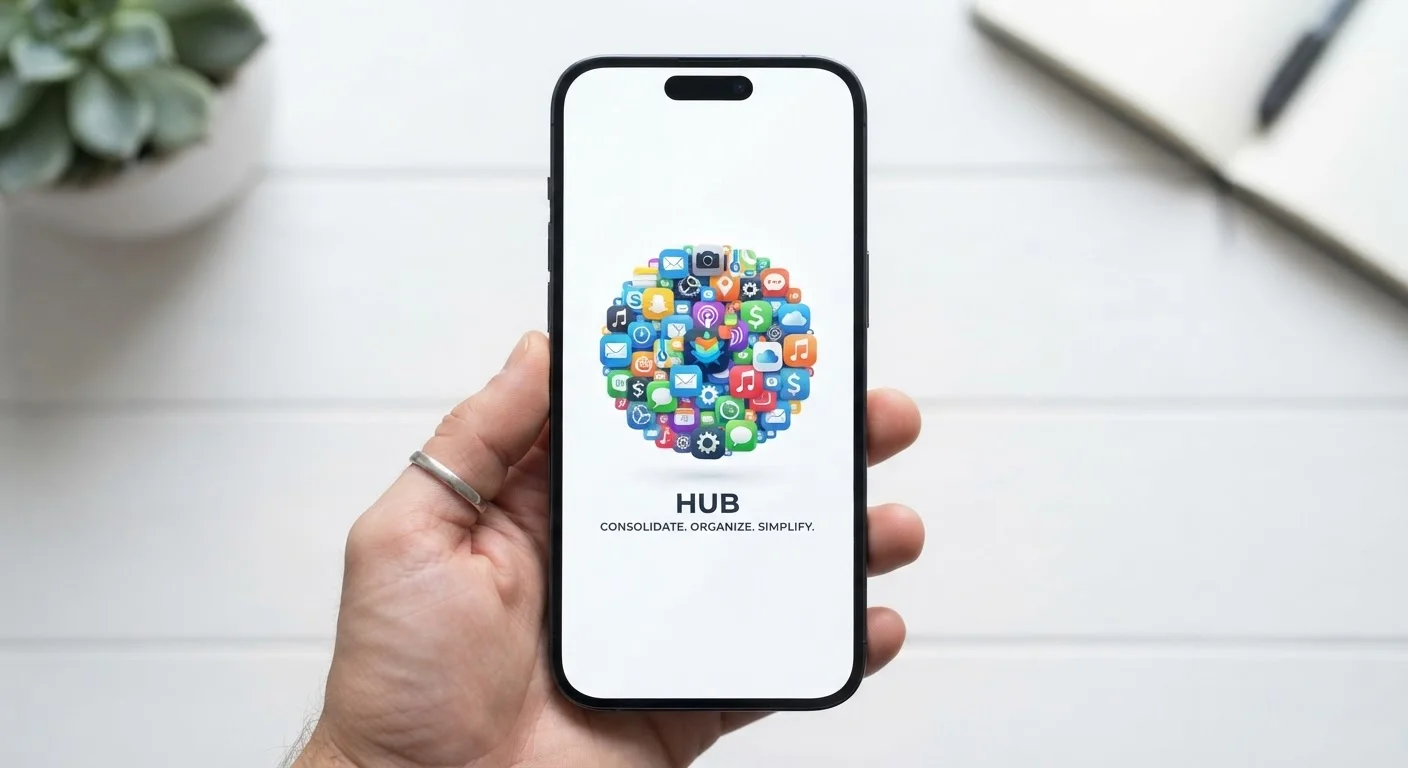
Key Takeaways
- Super apps consolidate features but rarely match the depth of dedicated single-purpose apps.
- Centralizing your digital life in one app creates meaningful privacy and data-sharing risks.
- Switching costs and platform lock-in can make it harder to leave a super app later.
- Convenience and capability are not the same thing — the trade-off is worth understanding before you commit.
What Super Apps Actually Promise
A super app — an all-in-one platform that bundles messaging, payments, shopping, ride-hailing, and more into a single interface — has become a widely discussed concept in Western markets, largely because apps like WeChat in China demonstrated the model at scale. The pitch is straightforward: fewer apps, less clutter, one login. That promise is genuinely appealing to anyone frustrated by a home screen crowded with single-purpose tools.
But the gap between the marketing claim and the actual experience is where most consumers run into trouble. Understanding what super apps do well, and where they fall short, is the foundation for making a smarter choice about how you structure your digital toolkit. See our guide to keeping your phone organised for a practical audit framework that applies here too.
Myth
A super app that does everything means I can delete most of my other apps and lose nothing.
Fact
Super apps typically offer shallower versions of each feature category compared to dedicated apps built solely for that purpose.
Think about a note-taking app that has been refined over years versus a notes tab tucked into a messaging platform. The dedicated tool almost always wins on features, reliability, and search. Super apps optimize for breadth, not depth. You may find the messaging module excellent while the expense-tracking feature is rudimentary. Deleting a well-functioning dedicated app to use a weaker bundled equivalent is a real capability trade-off, even if it looks like simplification on your home screen.
Myth
Using one app instead of many is automatically better for my privacy.
Fact
Consolidating into a single app concentrates your data in one place, which can increase privacy risk rather than reduce it.
Each app you use collects data within its own scope. A super app collects data across all those scopes simultaneously — your communications, your purchases, your location patterns, your financial behavior. That aggregated profile is far more revealing than any single data set. Additionally, a single breach or policy change affects everything at once. Privacy improvement comes from understanding what data each platform collects and minimizing unnecessary collection — not simply from using fewer apps.
Myth
Super apps are the obvious future of mobile, and resisting them means falling behind.
Fact
The super app model has succeeded in specific regional markets but has not achieved the same dominance in others, and its trajectory in Western markets remains genuinely uncertain.
The super app pattern gained traction in markets where mobile infrastructure and financial systems developed differently than in the US and Europe. In regions where dedicated banking apps, established e-commerce platforms, and segmented services already had strong footholds, the all-in-one model faces a different competitive landscape. Adoption patterns vary significantly by market, and characterizing any one model as the inevitable future overstates what is still an evolving competitive situation.
Myth
If a super app handles payments, it must be as secure as my bank's dedicated app.
Fact
Payment features within a super app may operate under different security standards and regulatory oversight than a dedicated financial institution's app.
Dedicated banking and payment apps are typically subject to specific financial regulations, security audits, and consumer protection frameworks. A payment feature bundled into a broader platform may have different — sometimes lighter — compliance obligations depending on how it's structured and where it's registered. Before using any app for financial transactions, it's worth checking what protections apply to your funds and what recourse you have if something goes wrong. Our article on apps for managing money day-to-day covers this in more detail.
Myth
Switching away from a super app later is easy if I change my mind.
Fact
The more data, contacts, and workflows you build inside a super app, the harder it becomes to migrate away from it.
Lock-in accumulates gradually. Message history, saved payment methods, linked contacts, purchase records, and established habits all create switching friction over time. Many super apps make data export difficult or incomplete, meaning you may not be able to take your history with you. Before committing deeply to any all-in-one platform, it's worth asking: what does migration look like, and what would I lose? This is a version of the same caution that applies to over-automating your home too soon — consolidation is easiest to undo before it's fully embedded.
The Hidden Costs of Consolidation
Beyond feature depth, two structural issues matter more than most users anticipate: privacy exposure and platform lock-in.
When a single app handles your messages, your purchases, your travel bookings, and your financial transactions, it accumulates a comprehensive behavioral profile. Each individual app you replace handled one slice of your life; the super app handles many slices simultaneously. That concentration of data under one provider — and one privacy policy — is a meaningful shift, not a minor one. It's worth reading what a platform collects and how it's shared before you centralize.
Lock-in is subtler but just as real. The more workflows, contacts, and transaction history you build inside one ecosystem, the harder it becomes to leave. This mirrors patterns seen with other all-in-one platforms, as explored in our look at why productivity apps often fail their users — the switching cost grows with every habit you form inside the platform.
Check Data Export Options Before You Commit
Before moving key workflows into any all-in-one platform, look up its data export policy. Many super apps offer limited or no structured export for messages, transaction history, or saved content. If the platform changes its terms, is acquired, or shuts down a feature, you may have no way to retrieve what you stored there. Testing the exit before you're fully invested is a reasonable precaution.
If you're drawn to the idea of app simplification, the more durable approach is usually a curated small set of focused tools rather than a single monolithic one. Our overview of everyday app categories worth filling first walks through which functional gaps genuinely need dedicated tools and which don't.
When Consolidation Actually Makes Sense
This isn't an argument that super apps have no value. For users who operate primarily within one ecosystem — a regional payment network, a specific delivery marketplace, or a work platform that bundles communication and task management — a tightly integrated app can reduce real friction. The key question is whether the platform's strengths align with how you actually use your phone.
The test worth applying: identify your two or three highest-frequency use cases. If a super app handles those well and its weaker modules are things you'd rarely touch, the trade-off may favor consolidation. If your priorities include features the platform treats as secondary, you'll likely feel the shortfall quickly. For a grounded comparison of when built-in or bundled tools are sufficient, see our piece on native apps vs. third-party alternatives.
~1.3B
Monthly active users on WeChat
WeChat, operated by Tencent, reported approximately 1.3 billion monthly active users as of recent annual disclosures, illustrating the scale the super app model can reach in receptive markets.
49%
US adults concerned about app data sharing
According to Pew Research Center surveys on Americans and privacy, roughly half of US adults say they are concerned about how apps share their personal information with third parties.
Ultimately, the honest consumer position is skepticism toward any app that promises to replace everything. Specificity still beats generalism for the features that matter most to you — and the apps that do one thing exceptionally well have usually spent years refining exactly that.