

Key Takeaways
- Always back up your data before handing your phone to any technician — even for minor repairs.
- Signing out of key accounts reduces the risk of unauthorized access during the repair window.
- A factory reset offers the strongest privacy protection when the repair doesn't require your data.
- Documenting your device's condition before drop-off protects you against disputed damage claims.
- Restoring your phone after repair is faster and safer when you've followed a pre-repair checklist.
Summary
18 items · 20–45 minutes
Why Privacy Preparation Matters Before Any Repair
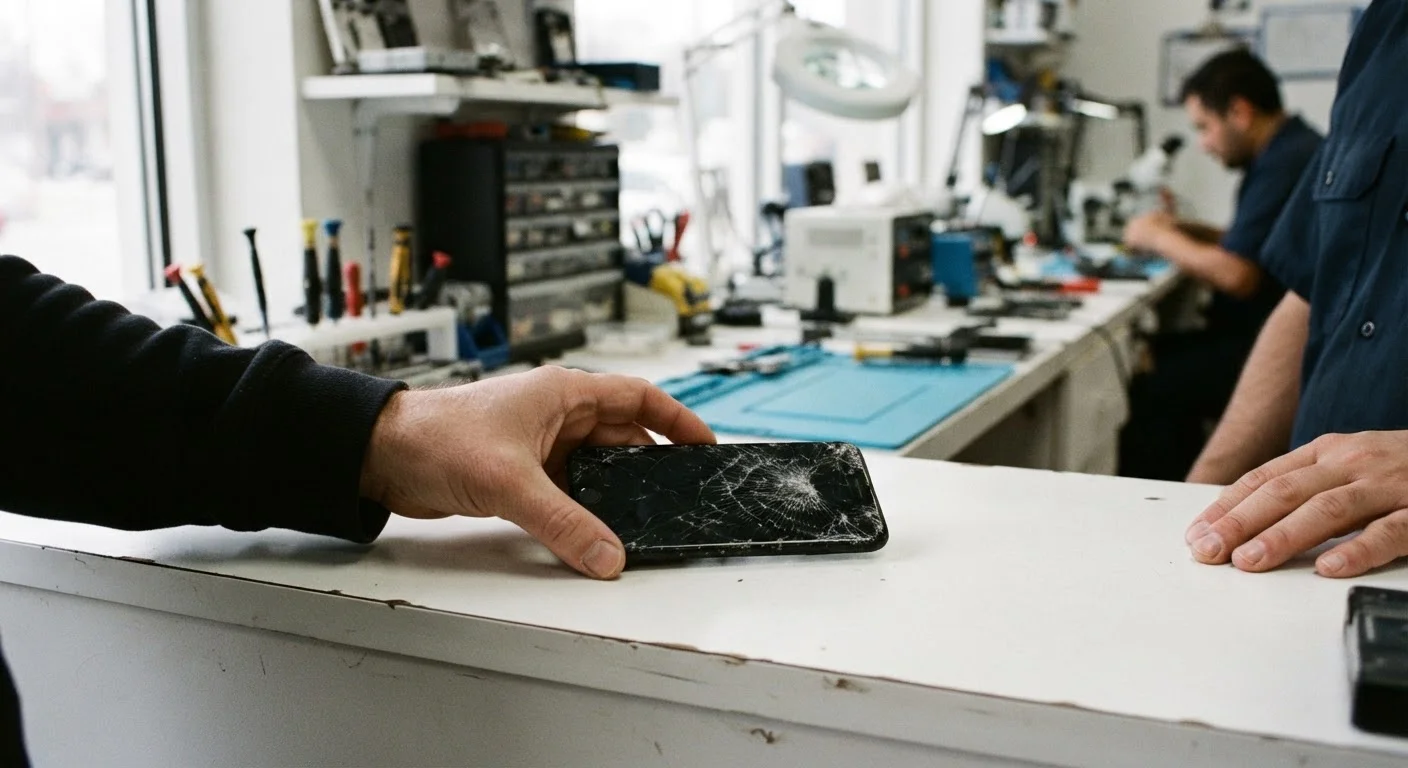
Handing your phone to a repair technician — whether at a manufacturer service center, a third-party shop, or a mail-in service — means giving a stranger physical access to a device that likely holds your banking credentials, personal photos, private messages, health data, and stored passwords. Even a straightforward screen replacement creates a window of exposure most people never think about.
Reported incidents of data access during device repairs have prompted consumer advocates and regulatory bodies to highlight the issue as an underappreciated privacy risk. You don't need to assume bad intent on a technician's part to justify preparation; the same way you'd lock your car when leaving it with a mechanic, a few deliberate steps dramatically reduce your exposure.
This checklist is built for any repair scenario — from cracked glass to battery swaps to software diagnostics. Work through it in order before you drop off your device. For context on what's actually at risk when your phone is out of your hands, see what's actually at risk when a device leaves your control.
Back Up Your Data
Secure Your Accounts
Evaluate Whether a Factory Reset Is Right for You
Document and Communicate
Tools and Accounts You'll Need Handy
Before working through the checklist, gather the following. Having these accessible from the start prevents interruptions mid-process.
Cloud Backup Service
Used to create a complete, remotely stored backup of your phone's data before the device leaves your hands.
Computer or External Drive
Provides a local backup destination as an alternative or supplement to cloud storage, especially useful for large media libraries.
Password Manager
Helps you identify which accounts are active on the device and ensures you can log back in after signing out or performing a reset.
Manufacturer Account Credentials
Required to disable the activation lock (Apple ID, Google Account, etc.) before a factory reset — essential to prevent a locked device post-repair.
Camera or Secondary Device
Used to photograph your phone's pre-repair condition as a timestamped damage record.
If your repair requires a factory reset and you'll be reconfiguring the phone afterward, review how to set up a smartphone the right way from scratch — it covers privacy settings and account configuration that are easy to overlook during a rushed restore.
Don't Skip the Activation Lock Step
If you perform a factory reset without first disabling your manufacturer's activation lock — Apple ID for iPhones, Google Account for Android — the phone may become inaccessible after the wipe. Technicians generally cannot bypass these locks without your credentials. Confirm the lock is disabled before handing the device over if a reset is part of the plan.
After the Repair: What to Check When You Get Your Phone Back
Recovering your phone from a technician isn't the end of the process. Run a quick post-repair audit before you consider the job finished.
Verify that no new apps have been installed that you don't recognize. Check your account activity for any recent sign-ins or sessions that occurred while the device was out of your hands — most major email, banking, and social apps log access by device and location. Review your device's storage briefly to confirm no files are missing or unexpected items appear in your gallery or downloads folder.
If you performed a factory reset before the repair, you'll need to restore from your backup and re-enable your preferred settings. The same discipline that applies before a phone upgrade applies here: a clean, verified restore is always preferable to a rushed one. And if you're ever uncertain whether a reset was the right call for your situation, understanding the difference between a soft reset and a factory reset helps clarify the options for future incidents.
Change Your PIN After the Repair
Even if you used a temporary PIN before drop-off, change your lock screen code again when you get the device back. Reset it to something new rather than reverting to your previous PIN. Also re-enable biometric authentication and review app permissions to confirm nothing was altered during the service window.