Search

8 Mistakes to Avoid When Switching Mobile Phone Carriers

According to a survey, one-fifth of individuals nationwide claimed they were at least “somewhat likely” to switch mobile phone carriers in the following year. One may switch phone carriers for various reasons, including the need for better coverage quality or increased Internet speed. Understanding the new mobile carrier’s features and reliability is essential to choosing a mobile carrier. In addition, here are some mistakes to avoid while switching mobile phone carriers: 1. Switching at the wrong time Often, when switching mobile phone carriers mid-month, the previous provider may not refund one’s money for the remaining days of the month or generate a bill that considers only the number of days one has availed of the previous provider’s service. Hence, users will likely incur losses if they do not time their switch appropriately. Switching one’s phone carrier on the last or first days of the month is advisable to minimize or eliminate losses. 2. Opting for providers charging early termination fees Some providers may charge an early termination fee upon termination within 30 days of customers availing themselves of the provider’s services. It is essential to avoid opting for such mobile phone carriers, as one should have a reasonable trial period to ensure that the service provider caters to one’s requirements effectively.
Read More

11 mistakes to avoid when choosing internet service providers

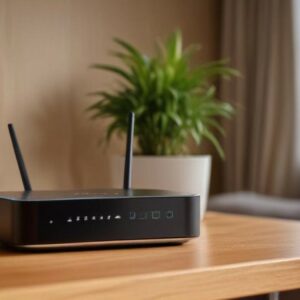
From managing finances to shopping on ecommerce sites and paying bills, individuals rely heavily on the Internet today to fulfill several essential daily activities. After all, a speedy internet connection is well classified among the most fundamental necessities in the present time. A reliable internet service provider offers a speedy internet connection and the flexibility to pick from various internet packages. Therefore, here are some mistakes to avoid for a seamless and reliable internet connection: Underestimating or overestimating one’s bandwidth requirements A common mistake when choosing an internet service provider is failing to understand one’s bandwidth requirements. For example, if multiple devices are connected to the Internet at once or one utilizes the Internet frequently for downloading files and watching streaming videos, one would require more bandwidth. In contrast, one can opt for more reasonable internet packages in case of fewer bandwidth needs or if one uses the Internet only for basic activities. Evaluating one’s bandwidth requirements can help choose a service provider with the ideal internet package. Not checking for hidden charges Checking for potential hidden charges while choosing an internet service provider is essential to minimize overhead expenses and understand where one’s money is being spent. Some common hidden charges levied by internet service providers include equipment rental charges, installation fees, and activation charges.
Read More

MostViewed

View All
8 Ways to Reduce Data Plan Usage and Avoid Overage Charges

8 Ways to Reduce Data Plan Usage and Avoid Overage Charges

Today, most of one’s daily essential activities, from managing finances to watching online content and shopping for one’s favorite items, require secure Internet access. Hence, buying a suitable data plan is essential to enjoying uninterrupted Internet service. Although several Internet providers offer smartphone Internet plans, picking a package that best suits one’s requirements while being reasonable is important. In addition, here are some ways to reduce data plan usage and avoid overage charges: 1. Choose a plan wisely Not choosing the right Internet phone plan can cause one to incur unnecessary charges. For this reason, it is essential to consider one’s requirements carefully and choose a plan that does not include any additional features. For example, individuals who do not watch streaming videos or play games on their phones should opt for basic Internet plans, which cost less while catering to their needs. Moreover, certain Internet service providers offer cost-saving strategies without compromising Internet quality or speed. For instance, AT&T Fiber® enables users to save up to $20 per month using its exclusive promo code, EXTRA50. Therefore, one should look for plans and providers offering such benefits to users. 2. Check the start and end dates of the data plan It is essential to note the start and end dates of one’s phone plan, as continued data usage after the plan ends can cause one to incur overage charges.
12 common mistakes that can damage one’s smartphone

12 common mistakes that can damage one’s smartphone

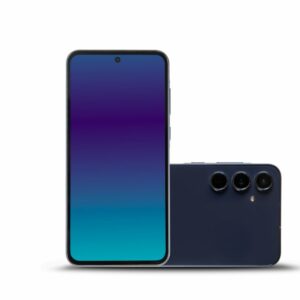
In today’s fast-paced world, smartphones have become indispensable. These devices are one’s communication hub, entertainment source, and personal assistant. With an increasing dependence on these devices, it becomes crucial to use them correctly for prolonged longevity. However, many people inadvertently make common mistakes while handling smartphones that can affect their health and performance. So, here are some mistakes that can harm one’s smartphone and tips on how to avoid them. Not unplugging the phone When a smartphone stays plugged in even after the charging is complete, it experiences a continuous flow of electricity to maintain that charge, resulting in added strain on the battery. This can lead to excess heat, which ultimately contributes to potential damage. To preserve the battery’s health and longevity, it’s advisable to unplug the phone as soon as it reaches its charging potential rather than letting it remain plugged in unnecessarily. Charging the smartphone overnight Leaving a smartphone plugged in overnight might seem convenient, but it’s a mistake that strains the phone’s battery. This continuous charging, often called “trickle charging,” can lead to the battery slowly losing its capacity over time. It eventually leads to an overall diminished battery life and reduced performance. Letting the battery drain fully Many smartphone users may have the habit of using their device until the battery drains completely to 0%.